Green Communities Criteria and Certification

2015 Green Communities Criteria

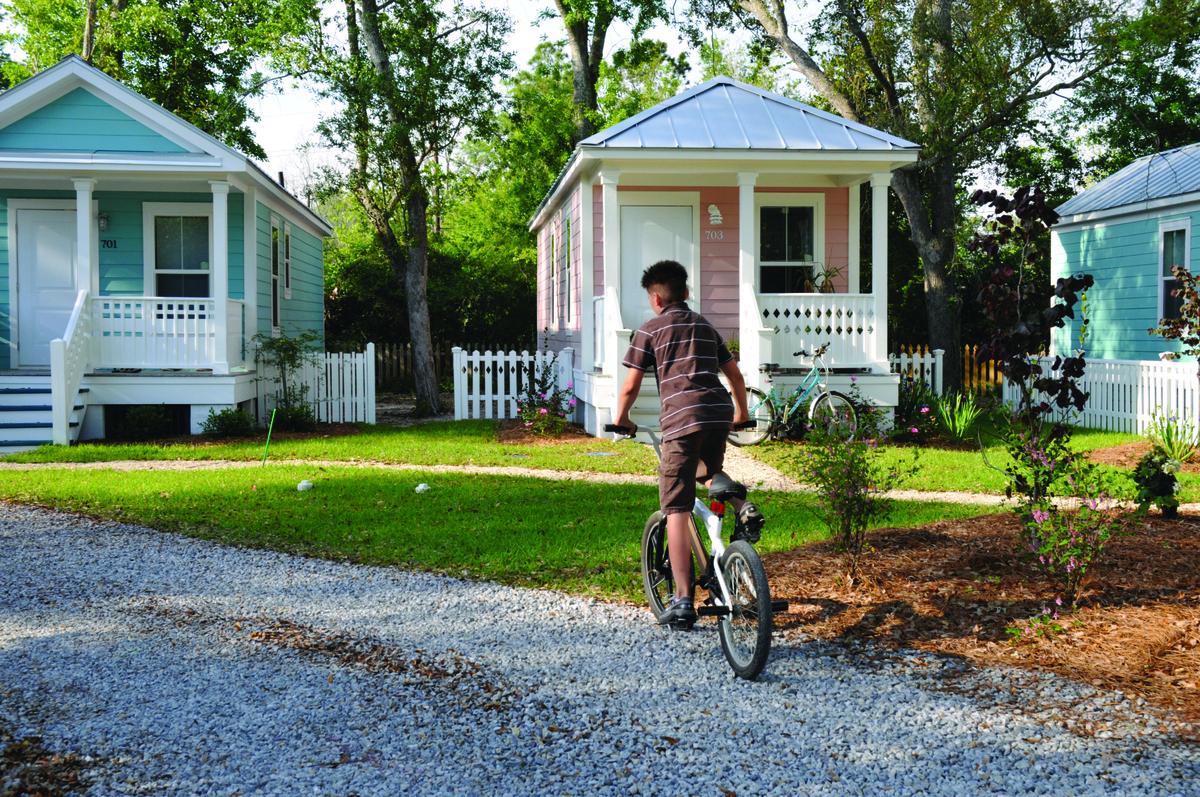
Child riding a bike through a neighborhood
Home
Table of Contents
Filter by construction type and location:
Filter by theme:
Energy Health Resilience
Reset:
...
Criteria total
8 of 44 Mandatory Criteria
0 Optional Points
Download
Clear:
  •   Program Information
  •   Program Updates
  •   Contact Us
  •   GREEN COMMUNITIES CRITERIA
  • 2026 Green Communities Criteria
    •   Introduction
    • Checklist
      •   1 Integrative Design
      •   2 Location + Neighborhood Fabric
      •   3 Site Design
      •   4 Water
      •   5 Energy
      •   6 Materials
      •   7 Healthy Living Environment
      •   8 Operations, Maintenance, and Resident Engagement
    • 1 Integrative Design
      •   1.1 Project Priorities Survey
      •   1.2 Charrettes and Collaborative Meetings
      •   1.3 Integrative Design Documentation
      •   1.4 Construction Management
      •   1.5 Adaptive Planning for Resilient Communities
      •   1.6 Design for Health and Well-being: Health Action Plan
      •   1.7 Inclusive Community Engagement
    • 2 Location + Neighborhood Fabric
      •   2.1 Ecological Conservation and Safer Sites
      •   2.2 Connections to Existing Development and Infrastructure
      •   2.3 Compact Development
      •   2.4 Proximity to Services and Community Resources
      •   2.5 Access to Open Space
      •   2.6 Transit, Mobility, and Walkability
      •   2.7 Access to Fresh, Local Foods
      •   2.8 Community Space and Programs
      •   2.9 Access to Broadband
      •   2.10 Adaptive Reuse of Buildings
    • 3 Site Design
      •   3.1 Minimization of Disturbance During Staging and Construction
      •   3.2 Site Design for Ecosystem Services
      •   3.3 Exterior Lighting
      •   3.4 Surface Stormwater Management
      •   3.5 Outdoor Water Use: Efficient Irrigation
      •   3.6 Outdoor Water Use: Alternative Sources
      •   3.7 Traffic Safety and Mobility
      •   3.8 Heat-island Management
      •   3.9 Resilient Site Design: Wind
      •   3.10 Resilient Site Design: Flood
      •   3.11 Resilient Site Design: Wildfire
    • 4 Water
      •   4.1 Water-conserving Fixtures
      •   4.2 Advanced Water Conservation
      •   4.3 Water Quality
      •   4.4 Monitoring Water Consumption and Leaks
      •   4.5 Efficient Plumbing Layout and Design
      •   4.6 Indoor Water Efficiency: Nonpotable Water Reuse
      •   4.7 Access to Potable Water During Emergencies
    • 5 Energy
      •   5.1 Energy Planning
      •   5.2a Building Performance: New Construction
      •   5.2b Building Performance: Rehabilitation
      •   5.3 Advanced Building Performance
      •   5.4a All-electric and Electric-ready Design: New Construction
      •   5.4b All-electric and Electric-ready Design: Rehabilitation
      •   5.5 Peak Demand Control
      •   5.6 Backup Power
      •   5.7 Renewable Energy
      •   5.8 Electric Vehicle Charging
      •   5.9 Passive Survivability
    • 6 Materials
      •   6.1 Product Category Screening
      •   6.2 Reduction of Materials and Waste
      •   6.3 Reduction of Lead Hazards in Pre-1978 Buildings
      •   6.4 Advanced Material Selection
      •   6.5 Recycling Storage
    • 7 Healthy Living Environment
      •   7.1 Clean Air: Radon Testing and Mitigation
      •   7.2 Clean Air: Combustion Equipment
      •   7.3 Clean Air: Garage Isolation and Vehicle Pollution Management
      •   7.4 Clean Air: Smoke-free Policy
      •   7.5 Clean Air: Ventilation
      •   7.6 Clean Air: Indoor Air Filtration
      •   7.7 Clean Air: Enhanced Iaq
      •   7.8 Moisture: Dehumidification
      •   7.9a Managing Moisture in the Building Enclosure: New Construction
      •   7.9b Managing Moisture in the Building Enclosure: Rehabilitation
      •   7.10 Managing Moisture: Bath, Kitchen, and Laundry Assemblies
      •   7.11 Reducing Allergens and Disease Vectors: Integrated Pest Management
      •   7.12a Sensory and Rest Friendly: Noise Reduction, New Construction
      •   7.12b Sensory and Rest Friendly: Noise Reduction, Rehabilitation
      •   7.13 Personal and Social Safety
      •   7.14 Social Connection and Accessibility: Design for All Ages and Abilities
      •   7.15 Access to Nature and Biophilic Design
      •   7.16 Healing-centered and Culturally Responsive Design
      •   7.17 Active Design: Promoting Physical Activity
      •   7.18 Place-based Wealth Building
    • 8 Operations, Maintenance, and Resident Engagement
      •   8.1 Building Operations & Maintenance Manual and Plan
      •   8.2 Emergency Management Manual
      •   8.3 Resident Manual
      •   8.4 Walk-throughs and Orientations to Property Operation
      •   8.5 Energy and Water Data Collection and Monitoring
    •   A Construction Typology Definitions
    •   B Integrative Design Project Priorities Survey
    •   C IECC Climate Zone Map
    •   D Air Sealing Details
    •   Glossary
  •   NYC Overlay, 2026 Criteria
  • 2020 Green Communities Criteria
    •   Introduction
    •   Checklist
    •   1 Integrative Design
    •   2 Location + Neighborhood Fabric
    •   3 Site Improvement
    •   4 Water
    •   5 Operating Energy
    •   6 Materials
    •   7 Healthy Living Environment
    •   8 Operations, Maintenance + Resident Engagement
  •   NYC Overlay, 2020 Criteria
  •   2015 Green Communities Criteria
  •   Achieve Net Zero: the Green Communities Zero Over Time Standard
  •   Certification Hub
  • Getting Started: Certification How To’s
    •   How to Certify
    •   Certification Process Overview
    •   Engaging a Qualified Energy Rater
    •   Plaques
    •   Office Hours
  • Requirements and Eligibility
    •   Eligibility
    •   Construction Typologies
    •   Certification Fees
    •   Review Types
    •   Waivers
  •   Certification Portal
  • Certification Tools and Templates
    •   2026 Documentation Instructions
    •   2020 Documentation Instructions
    •   2015 Documentation Instructions
    •   Research & Reports
    •   Toolkits
  •   Webinars and Trainings
  •   Certification Plus
❰
NYC Overlay, 2020 Criteria
❱
Achieve Net Zero:The Green Communities Zero Over Time Standard

This section includes information and resources for developers who have begun the certification process using the 2015 version of Green Communities. Developers seeking to begin certification should refer to the 2026 Criteria.

  • 2015 Criteria PDF
  • 2015 Criteria Checklist
  • NYC Overlay, 2015 Criteria
  • Addenda, 2015 Criteria
  • FAQ, 2015 Criteria

See more information about the 2015 Criteria

© 2026 Enterprise Community Partners, Inc. | Privacy Policy
Powered by Report Kitchen